
Add Row
Add Element
cropper
update
A2ZOfBeauty.com - a CapidHouser.com Media Site
update
Add Element
  • Home
  • Categories
    • cosmetic surgery
    • hair care
    • beauty salons
    • nail care
    • skincare beauty
    • fragrance
  • Waxing
  • LipCare
  • Makeup & Tutorials
  • featured business profiles
  • red light therapy beauty
July 29.2025
3 Minutes Read

Why Do Nails Burn When Filing? An Essential Guide to Nail Care

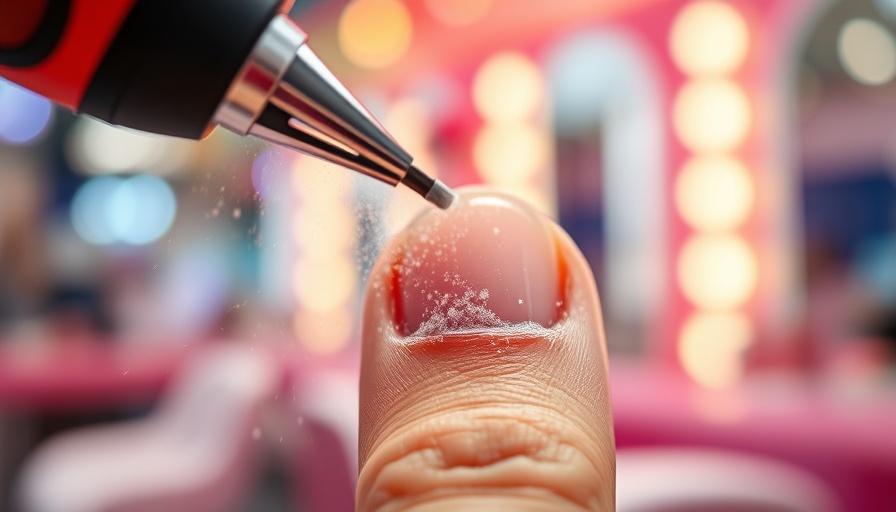
Close-up of nail filing in a salon setting, creating dust.

Understanding Nail Sensitivity: Why Do We Feel the Burn?

Nail services are as much about aesthetics as they are about comfort. Yet, many consumers endure a burning sensation while filing their nails without question. Why does this happen? It's rooted in a common misunderstanding: nails may appear like living tissues due to their vibrant colors and shapes, but they are actually made of a non-living protein called keratin. This raises an intriguing question: how can filing, a seemingly benign procedure, lead to discomfort?

The Role of the Nail Bed in Sensation

The answer lies beneath the nail plate. While the nails themselves don't have nerves, the nail bed—the living skin underneath—does. When filing occurs, particularly with aggressive tools, the friction creates heat that travels to the nail bed, triggering pain receptors. This is akin to wearing an oven mitt that’s too thin; the warmth of the pan burns through the mitt, leading to a sharp reminder to handle the situation more gently. Understanding this connection is key for anyone seeking nail care, whether at a salon or at home with DIY kits for nail grooming.

The Consequences of Over-Filing: Thinning Nails

Another factor contributing to discomfort during nail services is the thinning of the nail plate, often resulting from over-filing. Users should be aware that even gentle nail care can have adverse effects if not done correctly. As nails grow thinner, they lose their ability to protect the sensitive nail bed. This makes them more susceptible to damage, leading to a vicious cycle where more filing leads to more sensitivity.

Practical Tips for a Pain-Free Nail Experience

1. **Choose the Right Salon**: Not all nail salons are created equal. Researching and choosing a reputable salon can make all the difference in your experience. Look for reviews on services and inquire about their filing techniques; a skilled technician will prioritize comfort as much as appearance.

2. **Ask About Tools**: Ensure that the salon uses appropriate tools. Gentle files and buffers can reduce the risk of heat buildup. If you notice discomfort, communicate this with your technician for adjustments.

3. **Consider Your Nail Care Routine**: At home, protect your nails with moisturizing creams and consider DIY foot soaks with hydrating ingredients to maintain healthy nails. Explore natural nail care options like vegan nail polish brands that are free from harsh chemicals.

Wrapping Up the Nail Filing Conundrum

Understanding why nails burn during filing allows clients to advocate for themselves in nail salons and take a more proactive approach to their nail health. Whether exploring manicure vs pedicure differences or opting for popular services like gel manicures or acrylic nails, comfort should never be compromised. The knowledge you now have can empower you to choose nail services wisely and help foster a community that prioritizes safe and enjoyable nail care.

So, the next time you find yourself in a chair at a nail salon, remember: knowledge is power, and your comfort matters most. Keep these insights in mind and elevate your nail care routine to ensure a delightful experience every time you visit a nail spa.

nail care

15 Views

0 Comments

Write A Comment

*
*
Related Posts All Posts
01.10.2026

Unlocking the Secrets of Gel Polish Curing for Flawless Nails

Update Understanding Gel Polish Curing: A Chemical Journey Gel polish curing is more than just a waiting game under the lamp; it is a fascinating chemical process known as polymerization. This essential reaction kicks off when photoinitiators in the gel absorb UV light, ultimately linking molecules together to form a solid layer. The specific formulation of each gel determines how it reacts under light, leading to various results that consumers often misinterpret as application faults. The Science Behind Calibrating Your Lamp One major concern in the world of nail care is finding the right lamp for gel polish. Lamp compatibility is crucial since not all lamps emit light within the necessary wavelength range. A lamp that fails to provide the correct intensity can lead to incorrect curing, causing issues such as bubbling or a tacky finish. Knowing the science is vital; for instance, while a higher wattage may seem appealing, it is the nanometer specificity and light output that truly matter. Common Issues in Gel Polish Application Problems like micro-bubbles, shrinking, and wrinkling often stem from a disconnect between gel formulation and lamp capabilities. Many consumers assume that these problems arise from poor application, but they are usually the result of uneven curing conditions or incorrect lamp usage. A deeper understanding of gel chemistry enables nail enthusiasts to troubleshoot issues effectively, ensuring a smoother manicure experience. Why Different Gels Behave Differently Not all gel products are created equally. Variations in pigment load, viscosity, and photoinitiator types influence how each gel behaves under a lamp. For instance, some products may leave a tacky layer meant for better adhesion between coats, while others might fully cure, leaving no residue behind. Understanding these nuances aids in selecting the right product for one’s desired outcome. Investing in Quality Tools for Best Results The allure of budget-friendly lamps can often lead to disappointing outcomes. Investing in a quality lamp that offers dual-wave technology ensures that both deeper layers and surfaces cure correctly. A well-curated set of tools—including both the gel and the proper lamp—is essential for achieving that flawless manicure. In conclusion, understanding the intricacies of gel polish curing will significantly enhance your nail care routine. By ensuring that you have both the right products and tools, you can enjoy the best varieties of manicure services. For more insights on gel manicures and pedicure treatments that cater to your nail health, explore local offerings.

11.29.2025

Everything You Need to Know About Nail Polish Expiration

Update Understanding Nail Polish Expiration: What You Need to Know The question of whether nail polish expires is a common concern for both beauty enthusiasts and professionals alike. It's not just about having a perfect manicure; it's about ensuring safety and performance in products that we apply regularly to our nails. Does Nail Polish Expire? The simple answer is yes, all nail polish formulas have an expiration date. This includes traditional enamels and modern UV gel polishes. The texture and quality of nail polish will deteriorate over time as it is exposed to air each time the bottle is opened. Over time, you may notice signs such as separation, thickening, or changes in color, which indicate that your polish is losing its potency. How to Identify Expired Nail Polish Recognizing when your nail polish has expired can save you from disappointing results during your manicure. Here are some clear signs of aging polish: Consistency Changes: If your polish has become thick, stringy, or lumpy, it’s time to toss it. Color Discoloration: A noticeable shift in color can indicate the polish is no longer ideal. Separation: If you see layers forming, with pigments sinking to the bottom, it's likely past its prime. Potential Risks of Using Old Nail Polish Using expired nail polish typically does not pose serious health risks, but it can lead to disappointing manicure results. Many people worry about adverse skin reactions; however, the main concerns are usually poor application, longer drying times, and colors that may not look as intended. In rare cases, individuals with very sensitive skin might experience slight irritation from an aged product. Pro Tips for Nail Polish Longevity To extend the shelf life of your beloved nail colors, consider these best practices: Store Properly: Keep your polishes in a cool, dark place to avoid degradation from heat and sunlight. Check the Seal: Always ensure that the cap is tightly closed after use to limit air exposure. Regular Maintenance: Shake or roll your bottles gently to keep the formula well-mixed and prevent separation. Final Thoughts on Nail Polish Expiration Understanding how long your nail polish lasts and recognizing the signs of expiration are crucial for every nail care enthusiast. While it's tempting to keep that favorite bottle from years ago, adhering to expiration guidelines helps ensure a safer and more beautiful application. If you're looking for high-quality, non-toxic nail products, consider exploring vegan nail polish brands for a healthier manicure experience. Ready to learn more about maintaining gorgeous nails? Check out upcoming local nail spa offers or embark on your journey with a new DIY project at home!

11.15.2025

Exploring Nail Care: What’s the Real Difference Between Rubber Base and BIAB?

Update Understanding the Core Differences: Rubber Base, BIAB, and Hard GelIn the vibrant world of nail care, terms like Rubber Base, Builder in a Bottle (BIAB), and Hard Gel can often perplex both new professionals and consumers alike. These products, while marketed under similar lingo, serve very distinct purposes depending on their chemical make-up and the application technique. Grasping these differences not only enhances one’s nail care repertoire but also ensures healthier nail outcomes.Rubber Base: Flexible Support for Natural NailsRubber Base is tailored for those looking to fortify their natural nails without sacrificing flexibility. With its softer oligomers, this gel provides a resilient yet bendy coating perfect for users with thin or weak nails. Key benefits include improved adhesion and reduced breakage. However, professionals need to exercise caution: it should only be applied in thin layers to avoid complications like lifting and cracking.Builder in a Bottle (BIAB): The Best of Both WorldsBIAB strikes a balance between the soft flexibility of Rubber Base and the rigidity of Hard Gel. This semi-hard gel supports short extensions while maintaining necessary pliability. It’s useful for leveling and providing a smooth surface on short nails but, similar to Rubber Base, must be applied in thin layers to ensure that the gel fully cures without compromising its integrity.Hard Gel: The Heavyweight ChampionIf you're looking for strength and durability, Hard Gel is your go-to option. Comprising a high cross-link density, it forms a solid, non-soak-off structure, ideal for more intense applications like overlays and long extensions. This gel boasts impressive strength but requires meticulous application to avoid the infamous under-curing mishaps known as the 'cheese-soufflé effect.'Safety and Best Practices for Nail CareUnderstanding the distinct natures of these products can significantly elevate both nail care safety and effectiveness. Here are a few teaching points to consider:Always apply gels in thin, even layers for optimal polymerization.Match the product specifically to the client's nail type and desired outcome.Avoid layering incompatible systems (e.g., hard gel over a rubber base).Conclusion: Choose Wisely for Healthier NailsUltimately, the world of nail enhancements is not as multifaceted as it seems. By learning the specific applications and benefits of Rubber Base, BIAB, and Hard Gel, not only do nail professionals empower their practices, but they also provide clients with better outcomes. As you navigate through nail product options, remember that each type has its purpose, and understanding its chemistry is key to achieving both beauty and nail health.

Terms of Service

Privacy Policy

Core Modal Title

Sorry, no results found

You Might Find These Articles Interesting

T
Please Check Your Email
We Will Be Following Up Shortly
*
*
*
